

Now Reading: Quick way to use ridstar ebike: 5 e-bike tips
-
01
Quick way to use ridstar ebike: 5 e-bike tips
Quick way to use ridstar ebike: 5 e-bike tips
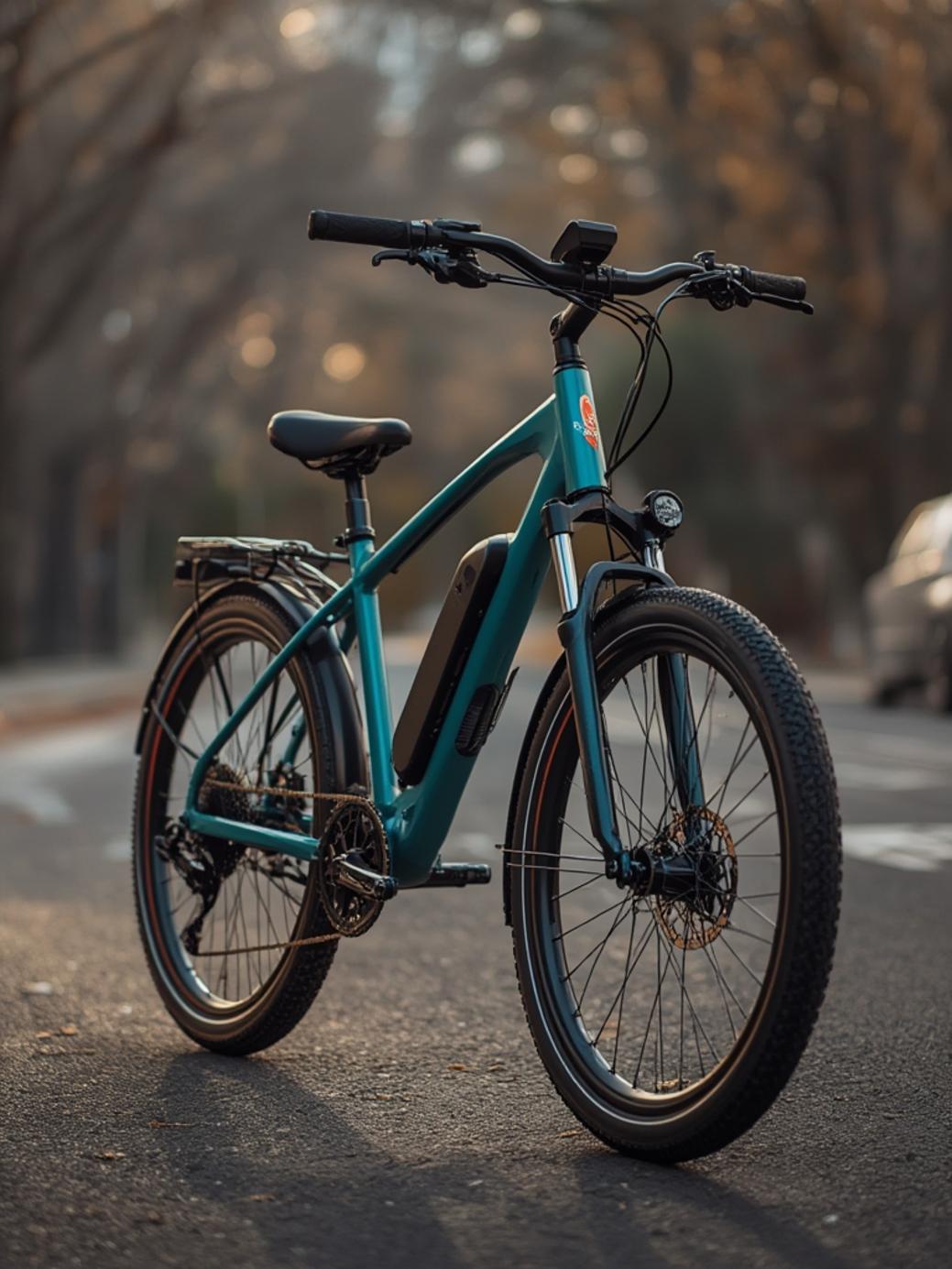
Your Ultimate Guide to E-Bike Battery Care: Boost Lifespan & Maximize Performance
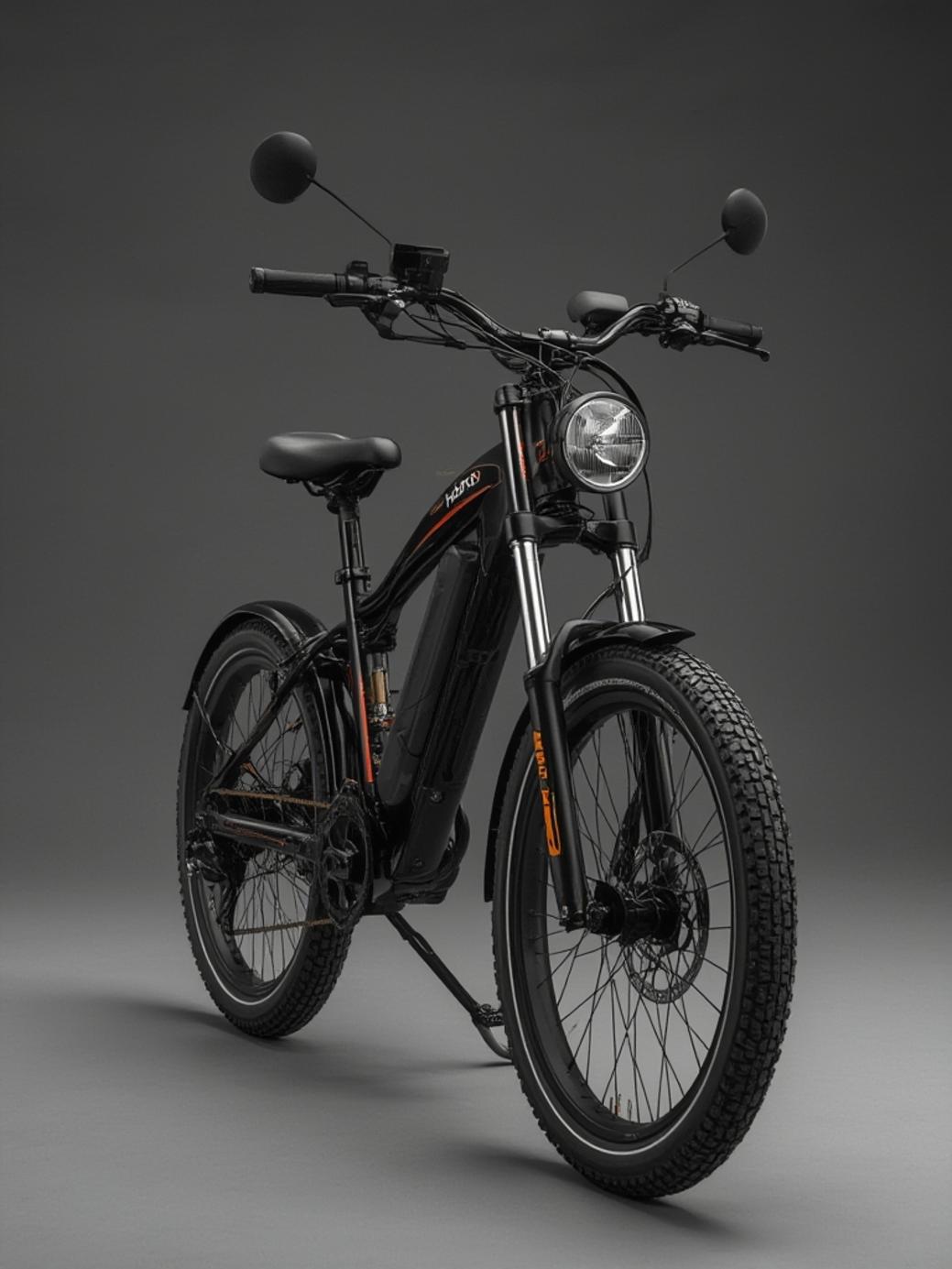
Ever wondered why your e-bike’s range isn’t what it used to be? Just like your smartphone or laptop, e-bike batteries require thoughtful care to deliver peak performance season after season. For eco-conscious commuters riding a ridstar ebike or any ridstar electric bicycle, proper battery maintenance isn’t just about convenience it’s a key pillar of sustainable transportation. Neglecting your battery could cost you hundreds in premature replacements while undermining the environmental benefits of electric commuting. Let’s fix that.
Materials & Tools for Optimal E-Bike Battery Care
-
- OEM Charger: Use only the charger provided with your Ridstar ebike to avoid voltage mismatches.
-
- Adapter (if traveling): A universal plug adapter for riders commuting internationally.
-
- Protective Case: Water-resistant sleeves to shield against rain, dust, and impacts.
-
- Microfiber Cloth & Isopropyl Alcohol: For cleaning terminals and preventing corrosion.
-
- Battery Management App: Ridstar’s app tracks health stats, charging cycles, and temperature.
-
- Optional: Voltage tester, silica gel packs (for humid storage), thermal covers.
Charging & Usage Schedule: The Science of Longevity
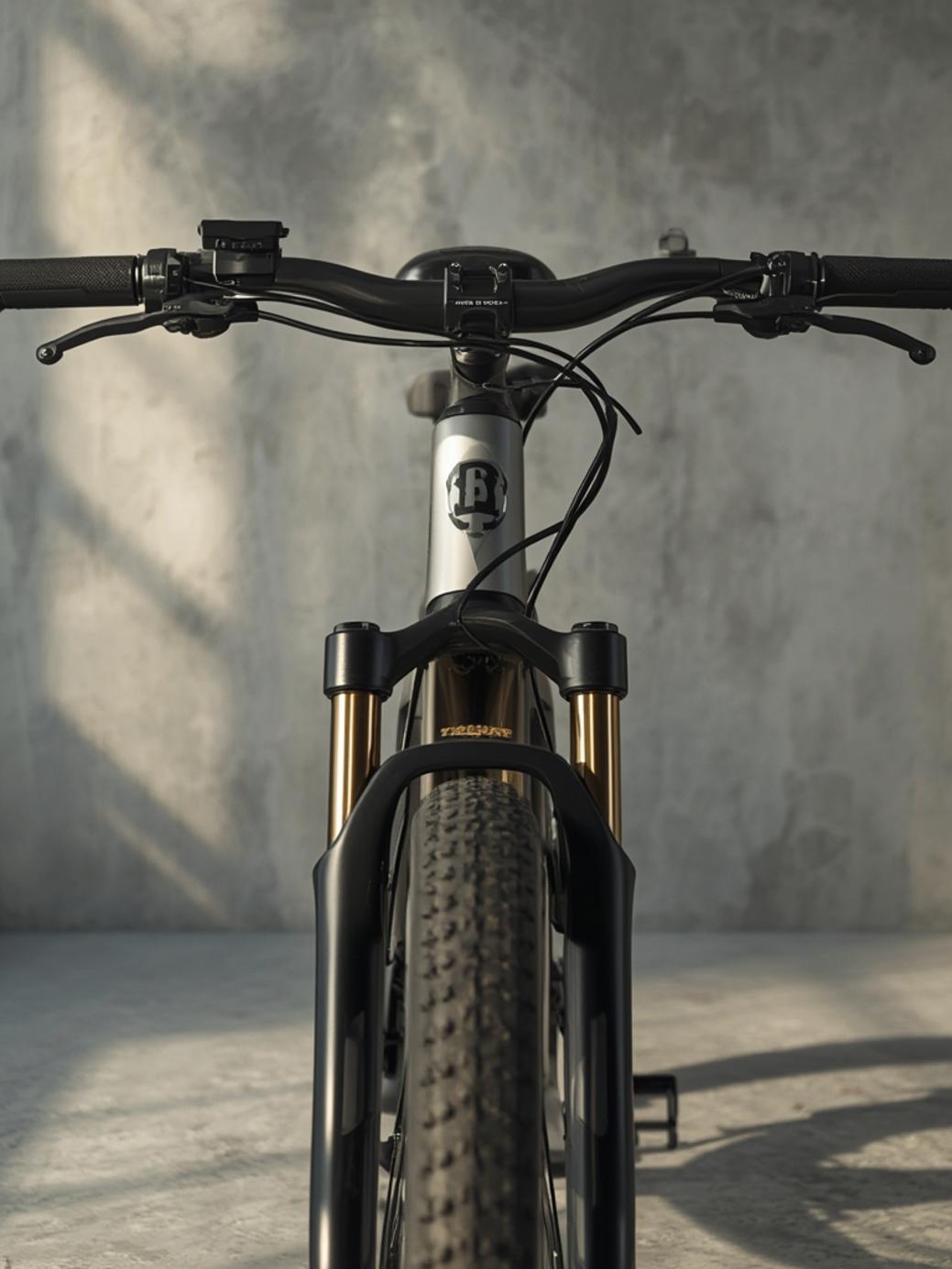
A well-planned charging routine can extend your battery’s lifespan from 2–3 years to 5+ years. Lithium-ion batteries degrade fastest at extreme charges, so avoid draining to 0% or charging to 100% daily. Instead:
-
- Daily Commuting: Recharge at 20–30% and stop at 80–90%. Complete a full 100% charge only once monthly.
-
- Partial Charges: 2–3 shorter top-ups are better than one deep cycle.
-
- Lifespan: 500–1,000 cycles (varies by usage). Ridstar’s batteries average 800 cycles at 80% capacity retention.
| Climate | Charging Tip |
|---|---|
| Hot (>90°F) | Charge indoors; heat accelerates degradation. |
| Cold (<32°F) | Warm battery to room temp before charging. |
Step-by-Step Guide to Battery Maintenance
-
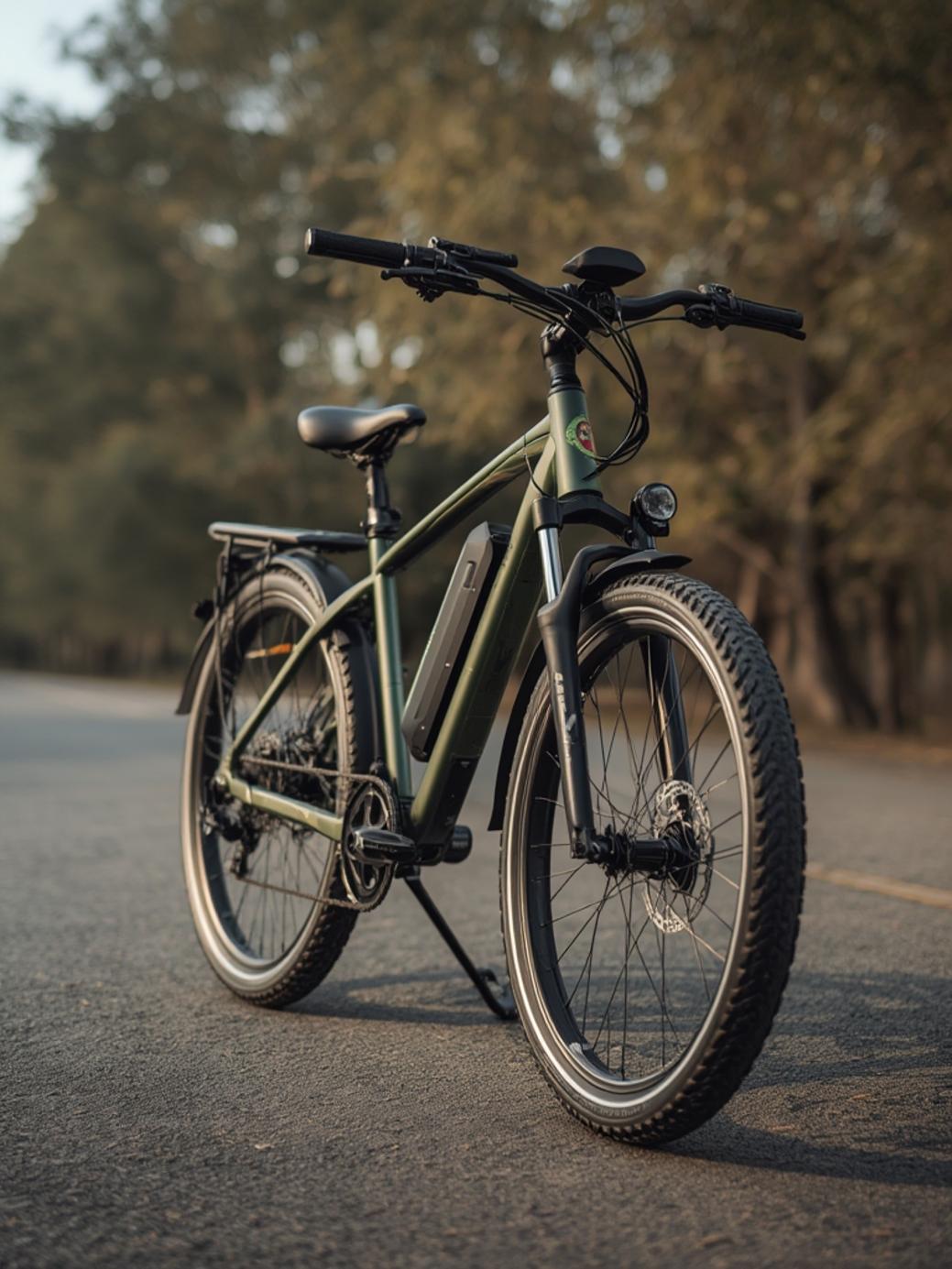
- Post-Ride Protocol: Wait 30 minutes before charging to let the battery cool.
-
- Terminal Care (Monthly): Disconnect the battery, clean contacts with alcohol, and inspect for corrosion. For ridstar ebike models, use a soft brush to remove debris.
-
- Deep Discharge Reset (Quarterly): Drain the battery to 5%, then fully charge to recalibrate the management system.
-
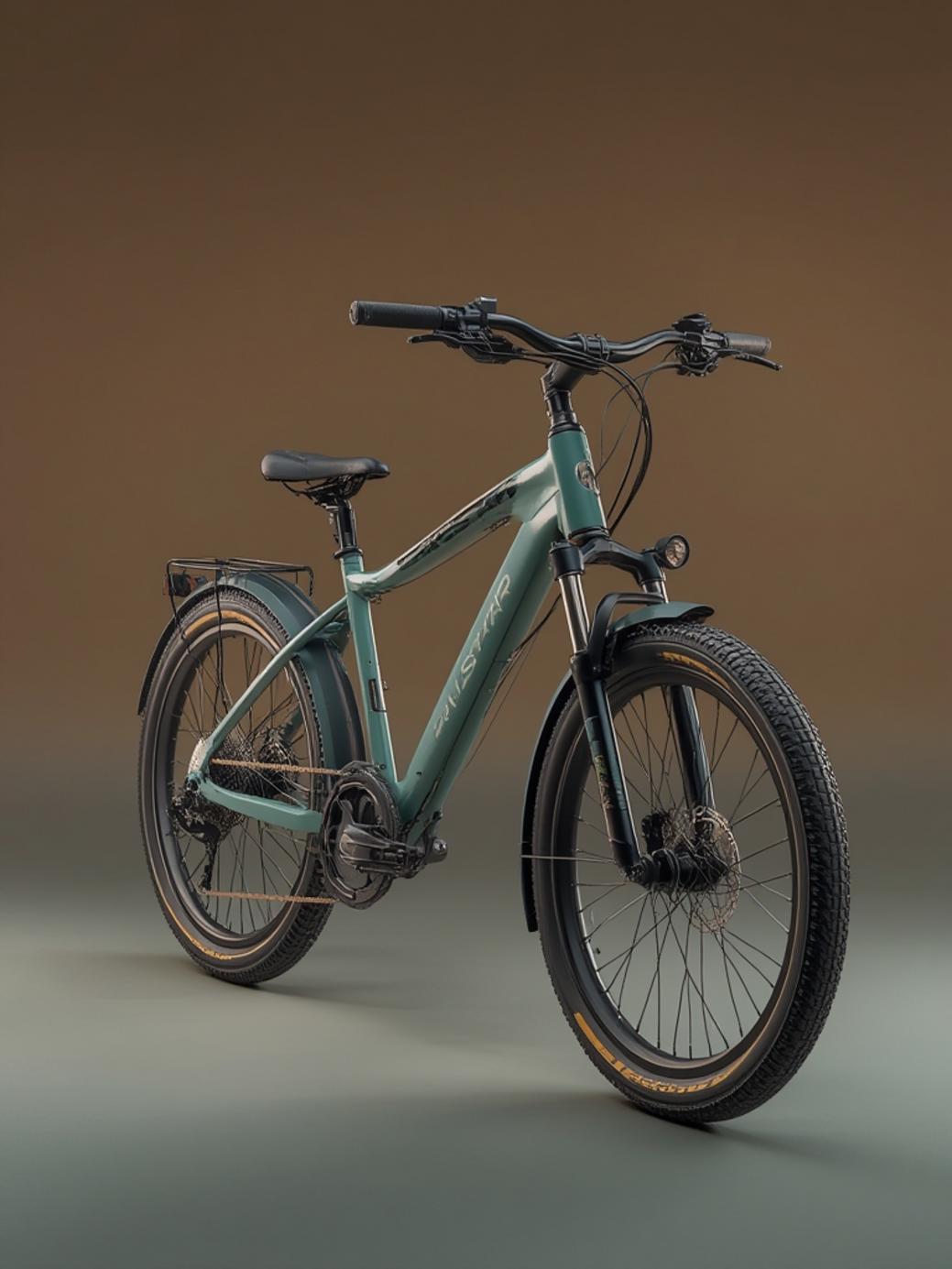
- Pro Tip: Store batteries at 40–60% charge if idle for weeks. Extreme states (0% or 100%) strain cells.
-
- Ridstar Hack: Enable ECO mode during 70% of rides it reduces battery load by 20% while maintaining 85% of your speed.
Why Proper Care Pays Off: Performance & Planet
-
- Extended Range: Healthy batteries deliver 10–15% more miles per charge.
-
- Cost Savings ($250+/year): Delaying replacement cuts long-term expenses.
-
- Lower Emissions: Maximizing battery life reduces lithium mining and e-waste.
-
- Reliability: No ”range anxiety” during critical commutes.
Advanced Tips for Different Riders & Climates
-
- Urban Commuters: Use regenerative braking modes to recapture 5–10% energy on stop-and-go routes.
-
- Winter Riders: Insulate your ridstar electric bicycle battery with neoprene covers—cold can slash range by 30%.
-
- Long-Distance: Carry a spare battery instead of fast-charging daily (heat degrades cells faster).
5 Deadly Mistakes to Avoid Immediately
-
- Storing at Full Charge: Causes cell stress keep at 40–60% for storage.
-
- Ignoring Firmware Updates: Ridstar’s updates optimize charging algorithms.
-
- Charging in Direct Sunlight: Heat above 104°F permanently damages lithium-ion cells.
-
- Using Generic Chargers: Mismatched voltage triggers safety cutoffs or swelling.
-
- Deep Discharges: Draining to 0% more than twice a year degrades cells.
Long-Term Storage & Off-Season Care
-
- Ideal Storage State: 50% charge in a dry, room-temperature space (60°–70°F).
-
- Maintenance Charging: Recharge to 50% every 2 months if idle.
-
- Safety First: Remove the battery from your Ridstar ebike to prevent phantom drain.
Conclusion: Ride Farther, Waste Less, Save More
Optimizing your ridstar ebike battery isn’t just technical—it’s a commitment to smarter, greener commuting. Whether you ride a compact city model or a rugged ridstar electric bicycle, these habits add years to your battery’s life and slashes your carbon footprint. Start today:
-
- Share your Ridstar battery lifespan results in the comments.
-
- Explore our guide “Quick way to use ridstar ebike: 5 e-bike tips” for speed hacks.
-
- Never pay for premature replacements again—schedule monthly maintenance!
FAQs: E-Bike Battery Care Essentials
Q: Can I leave my Ridstar ebike plugged in overnight?
A: Yes—if using the OEM charger. It stops automatically at 100%, but avoid nightly full charges.
Q: How do I know when to replace my battery?
A: If range drops below 60% of original capacity or the Ridstar app shows “Replace Soon”.
Q: Is it safe to ride in heavy rain?
A: Ridstar batteries are IP65-rated. Avoid submerging, but rain won’t damage sealed units.
Q: Do fast chargers harm batteries?
A: Occasional use is fine, but daily fast charging generates excess heat. Stick to standard chargers.
Q: Can I recycle my old e-bike battery?
A> Yes! Ridstar partners with Call2Recycle for eco-safe disposal.
Related Posts

Previous Post
Next Post








Advertisement