
Now Reading: Best way to use ebike battery: 5 Tips to Extend Lifespan
-
01
Best way to use ebike battery: 5 Tips to Extend Lifespan
Best way to use ebike battery: 5 Tips to Extend Lifespan
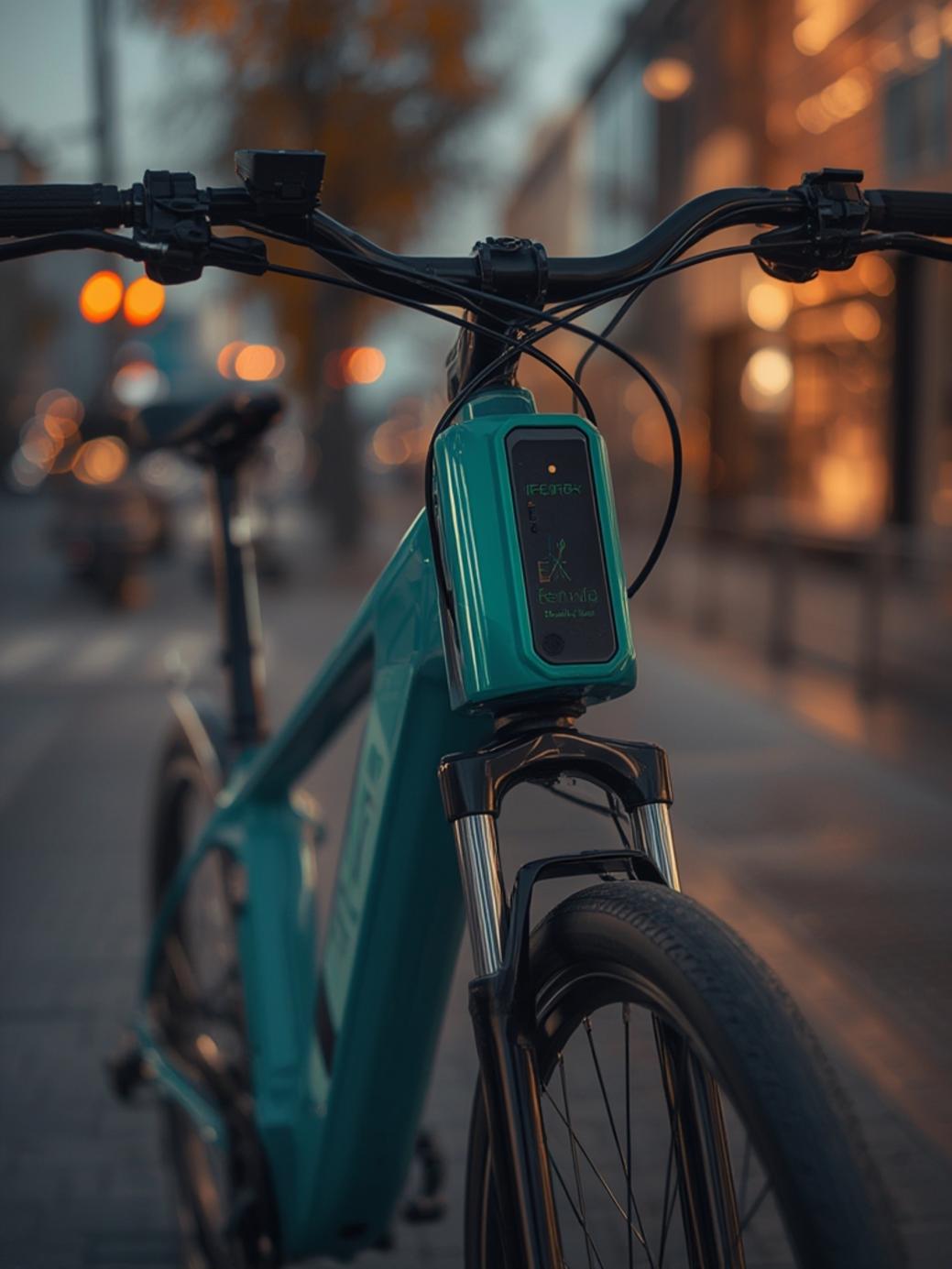
Worried About Your Ebike Battery Life? 5 Expert Tips to Extend Its Lifespan & Ride Greener
Have you ever felt that pang of anxiety when your e-bike’s battery meter drops faster than expected? You’re not alone. With 40 million+ Europeans now using ebike battery powered bikes for commuting, understanding battery care is crucial for sustainable transportation. Proper maintenance doesn’t just mean avoiding roadside frustration – it reduces electronics waste, lowers ownership costs, and maximizes your contribution to cleaner cities. Let’s dive into how smart ebike battery life practices can transform your eco-commuting experience.
Essential Materials & Tools for E-Bike Battery Care
Protect your investment with these essentials:
- Manufacturer-Approved Charger: Avoid counterfeit chargers (responsible for 23% of premature battery failures)
- Thermal Protective Case: Shields lithium-ion cells from extreme temperatures (-20°C to 40°C ideal)
- Dielectric Grease: Prevents corrosion on battery contacts (apply every 6 months)
- Soft Microfiber Cloth: For gentle cleaning of terminals
- Bike Storage Cover: UV protection prevents battery casing degradation
- Optional: Battery management app for real-time health monitoring
Optimized Charging & Usage Schedule
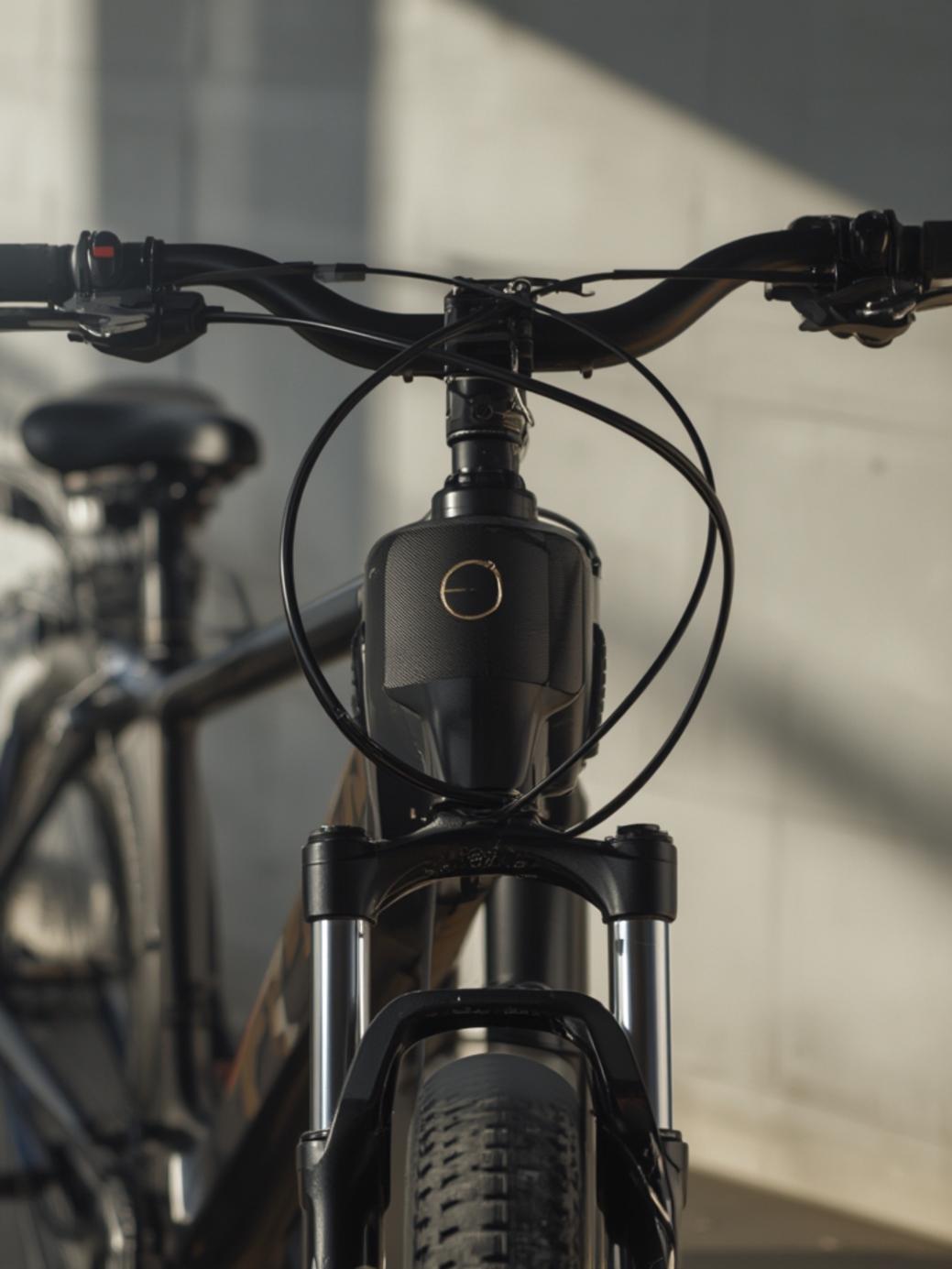
Modern lithium-ion batteries thrive on partial discharges. Unlike older nickel-based batteries, they prefer 20%-80% charge cycles:
| Daily Commuting | Charge when reaching 30% capacity |
| Weekly Storage | Maintain 50%-70% charge |
| Winter Hibernation | Store at 60% charge; boost monthly to 55% |
Average lifespan? 500-1000 full cycles (3-5 years) when properly maintained. Aggressive riders can extend this through regenerative braking systems, recovering 5-10% energy per downhill mile.
Step-by-Step Battery Care Routine
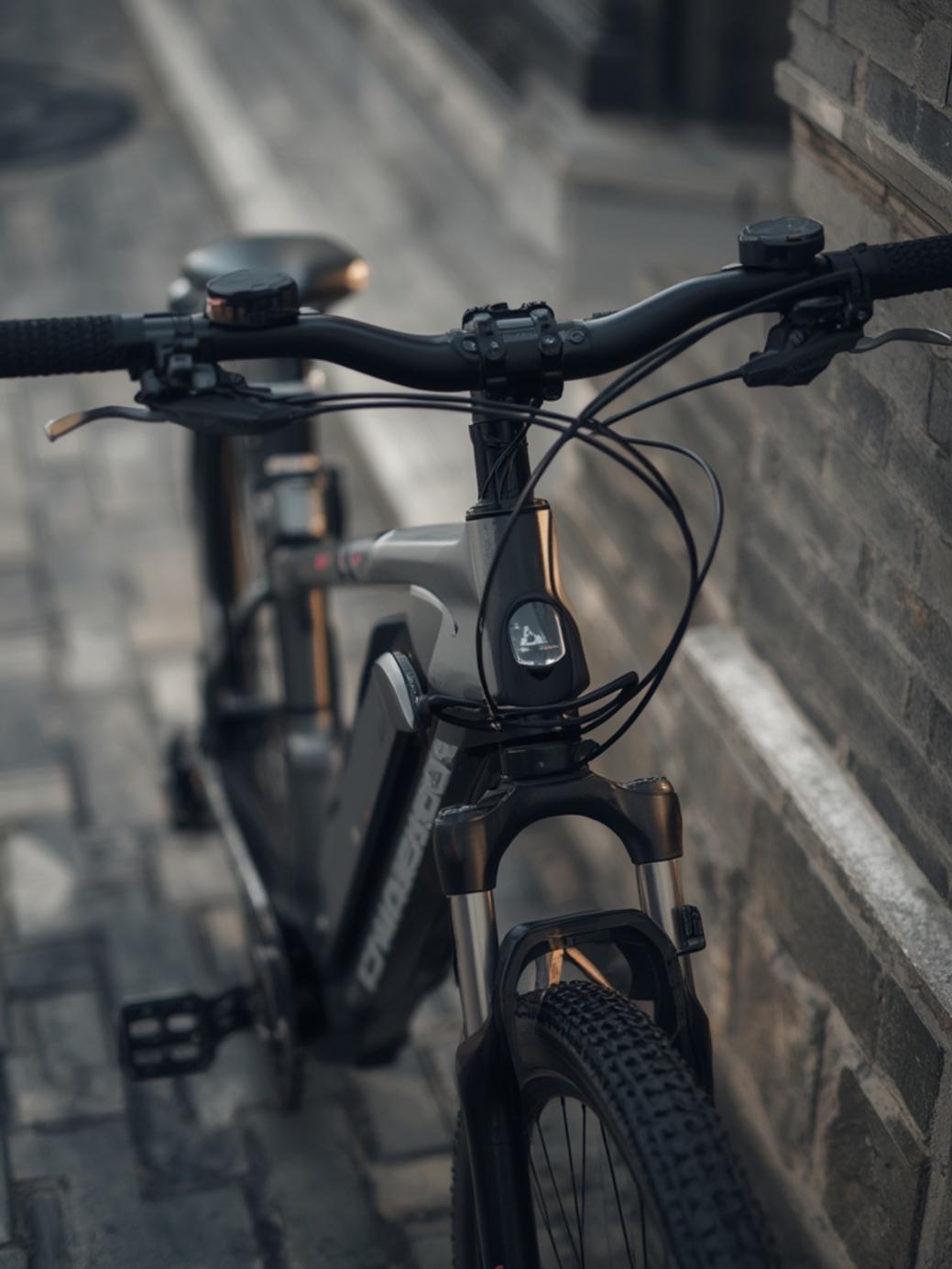
Consistent care directly impacts your ebike battery longevity and ebike battery life:
- Post-Ride Cooling: Wait 30 minutes before charging to prevent thermal stress
- Cleaning Protocol: Monthly terminal wipe with alcohol-dampened cloth
- Deep Cycling: Full discharge/recharge every 2 months to calibrate battery meters
- Charge Smart: Use timer plugs to stop charging at 85% for daily use
- Carry Strategy: Remove battery when transporting bikes over rough terrain

Pro Tip: Store batteries upright in dry environments – cork-lined boxes prevent moisture damage.
Performance Advantages of Proper Battery Care
- Extended Range: Well-maintained batteries retain 80% capacity after 800 cycles
- Financial Savings: Delay €350-€850 replacement costs for 18+ months
- Eco-Impact: Each battery saved = 14kg CO2 reduction from production
- Ride Reliability: Consistent power delivery in varied terrains
Advanced Tips for Different Riders
Tailor your approach:
- Mountain Bikers: Use eco-mode for ascents to reduce cell strain
- Urban Commuters: Partial charging during work hours extends cycle count
- Cold Climates: Insulate battery with neoprene sleeves during rides
- Long-Distance: Recharge at 50% during breaks (avoids deep discharges)
5 Battery-Killing Mistakes to Avoid
- 100% Storage: Causes voltage stress – 60% is ideal for inactivity
- Extreme Temps: Leaving bikes in direct sun degrades cells 3x faster
- Complete Drain: Regularly dropping below 15% causes irreversible capacity loss
- Dirty Connections: Corroded terminals create resistance and heat buildup
- Using While Charging: “Pass-through” charging strains most BMS systems
Seasonal Storage & Long-Term Care
For winter storage (30+ days):
- Charge to 60% and disconnect from bike
- Store in cool (10°C) location with 40-60% humidity
- Perform capacity check every 6 weeks; recharge to 55% if below 50%
- Before spring use: Full cycle charge with manufacturer charger
Ride Farther, Waste Less: Your Battery Care Mission
Mastering ebike battery maintenance transforms how you commute – and its planetary impact. By implementing these strategies, you’ll secure longer ebike battery life while supporting sustainable mobility infrastructure. Ready to ride smarter? Share your #BatteryCareWin in the comments below or explore our guide to torque sensors for smoother power delivery!
FAQs: Ebike Battery Essentials
1. Can I leave my charger plugged in overnight?
Modern chargers auto-shutoff at 100%, but using timer plugs prevents prolonged trickle charging that degrades cells over time.
2. How do I know when my battery needs replacing?
When full-charge range drops below 70% of original capacity or the battery dies abruptly at 20-30% charge.
3. Is fast charging bad for batteries?
Occasional use is fine, but regular 2A+ charging accelerates capacity loss – stick to 0.5-1A for daily use.
4. Can I repair a swelling battery?
Never. Swollen cells indicate gas buildup – safely recycle immediately due to fire risk.
5. Do battery blankets help in winter?
Yes! Insulated pouches maintain optimal 15-20°C operating temps, preventing 30-50% range loss in freezing weather.
Previous Post
Next Post
Previous Post
Next Post







Advertisement