
Now Reading: Best way to use 3 best off road ebike trails
-
01
Best way to use 3 best off road ebike trails
Best way to use 3 best off road ebike trails
The Ultimate Guide to E-Bike Battery Care: Maximize Range, Lifespan & Eco-Friendly Commuting
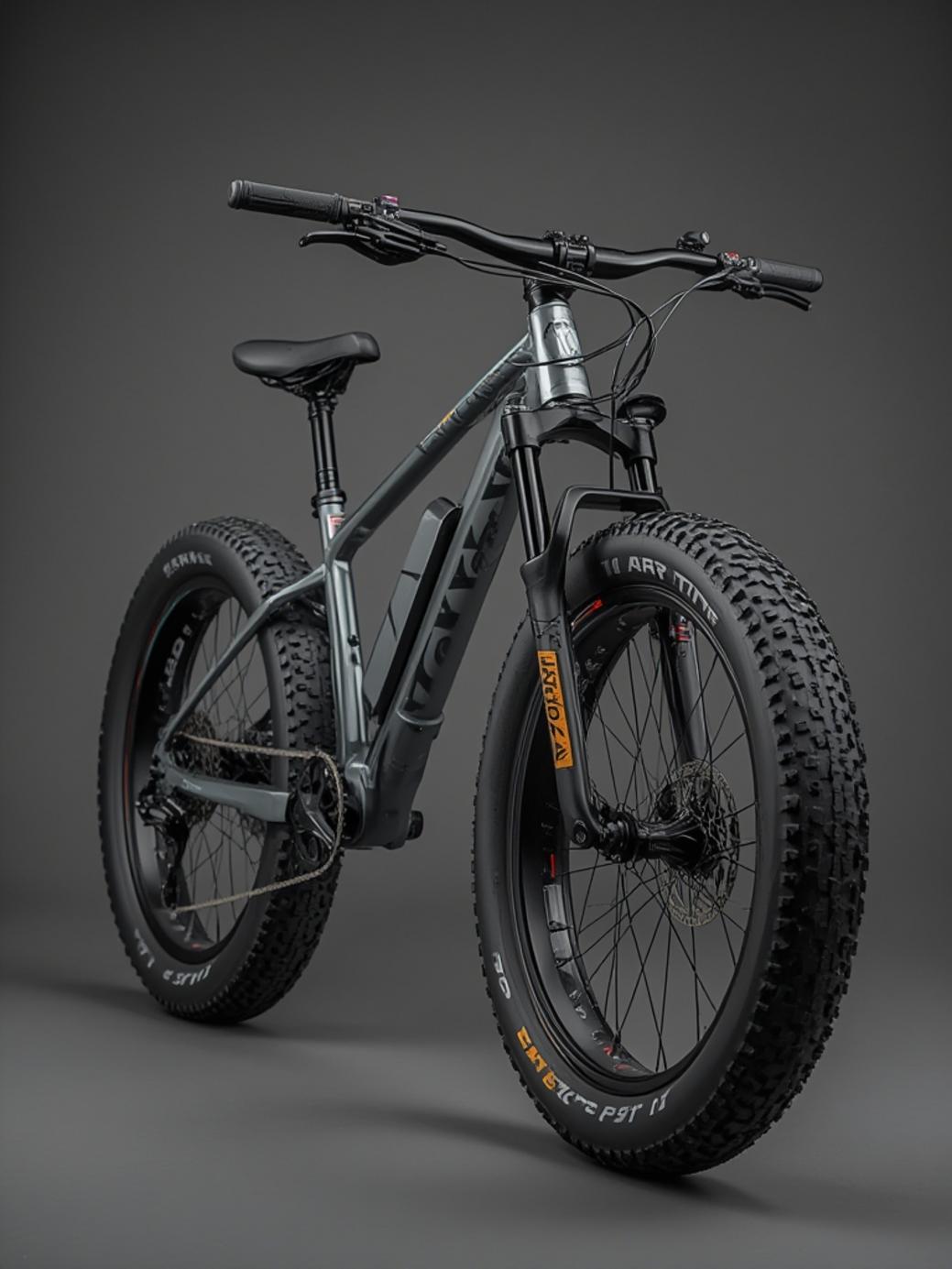
Ever wondered why your e-bike’s battery range fluctuates, or how to keep it performing like new for years? Whether you’re commuting daily or conquering rugged trails on the best off road ebike, proper battery care is essential for sustainability, cost savings, and peak performance.
In this guide, we’ll demystify lithium-ion batteries, share actionable tips, and reveal how to extend your e-bike’s life while supporting eco-friendly commuting.
Materials & Tools for Optimal E-Bike Battery Care
Gather these essentials to maintain your battery like a pro:
– Smart Charger: Automatically stops charging at 80-90% to avoid overcharging.
– Protective Case: Shields against moisture, dust, and impacts during off-road adventures.
– Dielectric Grease: Prevents corrosion on battery terminals and connectors.
– Soft Cloth & Isopropyl Alcohol: Safely cleans contacts without residue.
– Thermometer/Hygrometer: Monitors storage temperature (ideal: 50-77°F).
– Optional: Battery monitoring app (e.g., Bosch eBike Flow) for real-time health insights.
Charging & Usage Schedule: Balancing Performance & Longevity
Ideal Charging Practices:
– Partial Charging: Charge to 80-90% for daily use; 100% only before long rides.
– Avoid Deep Discharge: Recharge at 20-30% remaining capacity to prevent stress.
– Frequency: 2-3 full cycles weekly for frequent riders; 1-2 monthly for occasional use.
Expected Lifespan:
– Charge Cycles: 500-1,000 cycles (3-5 years) with proper care.
– Range Loss: ~20% degradation after 500 cycles is normal.
Step-by-Step Battery Maintenance Instructions
1. Inspect Connections Monthly:
– Wipe terminals with alcohol, apply dielectric grease.
– Pro Tip: Check for loose wires after rough rides.
2. Charge Smartly:
– Use a timer plug to avoid overnight charging.
– Store at 40-60% charge if idle for >1 week.
3. Avoid Extreme Temperatures:
– Never charge below 32°F or above 104°F.
– Pro Tip: Insulate batteries in winter with neoprene sleeves.
Whether you own a best off road ebike or a top rated off road ebike, these steps apply universally, protecting your investment and the planet.
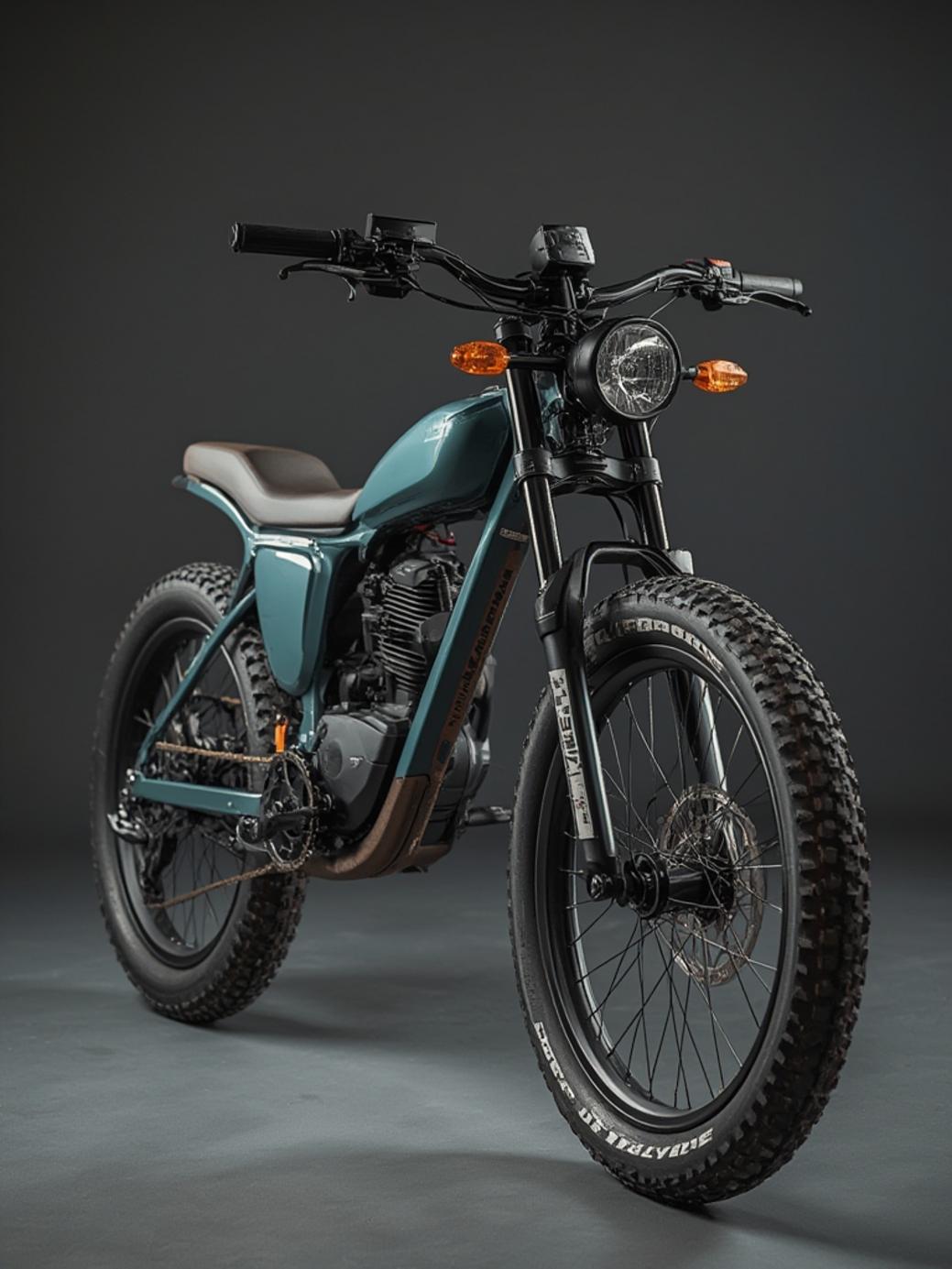
Performance Benefits of Proper Battery Care
– Extended Range: Maintain 50+ miles per charge (vs. 30-40 with poor care).
– Cost Savings: Delay $500-$800 replacement costs by 2-3 years.
– Eco-Impact: Reduce e-waste by maximizing battery lifespan.
– Trail Reliability: Avoid mid-ride failures on remote off-road routes.
Pro Tips & Alternative Methods for Different Riders
– Fast Charging: Use sparingly, only when needed, to reduce heat stress.
– Eco-Mode Dominance: Use lower assist levels for 20% longer range.
– Seasonal Storage: Store batteries indoors (not garages/sheds) in dry, temperate spaces.
– Hot Climates: Charge during cooler mornings; avoid direct sun exposure.
Common E-Bike Battery Mistakes to Avoid
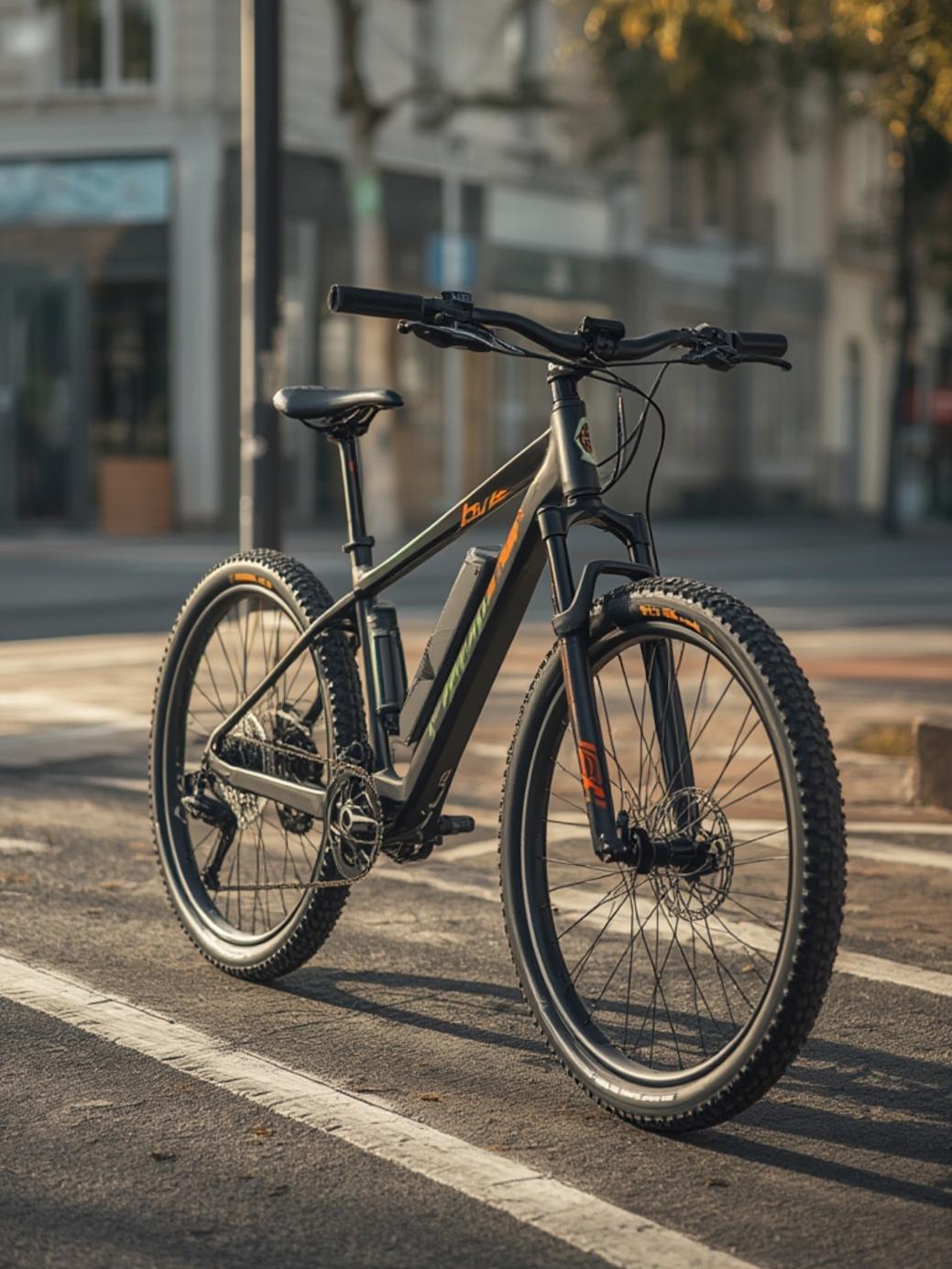
– Overcharging: Leads to swelling and reduced capacity.
– Ignoring Firmware Updates: New updates optimize cell balancing (check manufacturer apps).
– Dirty Contacts: Corrosion from grime increases resistance and heat.
– Fix: Clean with alcohol every 3 months.
Long-Term Storage & Maintenance Protocol
1. Charge to 40-60% before storing ≥1 month.
2. Store Upright: In a dry, room-temperature area, never on concrete floors.
3. Recharge Every 3 Months: Prevents deep discharge damage.
Conclusion: Ride Sustainably, Save Money, Conquer Trails
Mastering e-bike battery care isn’t just technical, it’s a commitment to greener commuting and smarter adventures. By following these guidelines, your best off road ebike or top rated off road ebike will deliver peak performance for years, reducing costs and carbon footprints alike.
Ready to take action? Share your battery care routine in the comments, or explore our guide to the best off-road e-bike trails next!
FAQs: E-Bike Battery Care Simplified
Q: How often should I charge my e-bike battery?
A: After every ride that drains ≥40% capacity. Avoid daily full charges.
Q: Can extreme cold permanently damage my battery?
A: Yes, avoid charging or storing below 32°F. Use thermal covers if riding in winter.
Q: Should I remove the battery when washing my e-bike?
A: Always! Water ingress can corrode terminals or short-circuit cells.
Q: What’s the #1 way to extend battery lifespan?
A: Partial charging (80-90%) and avoiding deep discharges below 20%.
Q: Do fast chargers harm batteries?
A: They generate more heat, so limit use to urgent scenarios. Stick to slow chargers for daily use.
Related Posts
Previous Post
Next Post




Advertisement