

Now Reading: Best way to use best fat tire ebike 5 for trails
-
01
Best way to use best fat tire ebike 5 for trails
Best way to use best fat tire ebike 5 for trails
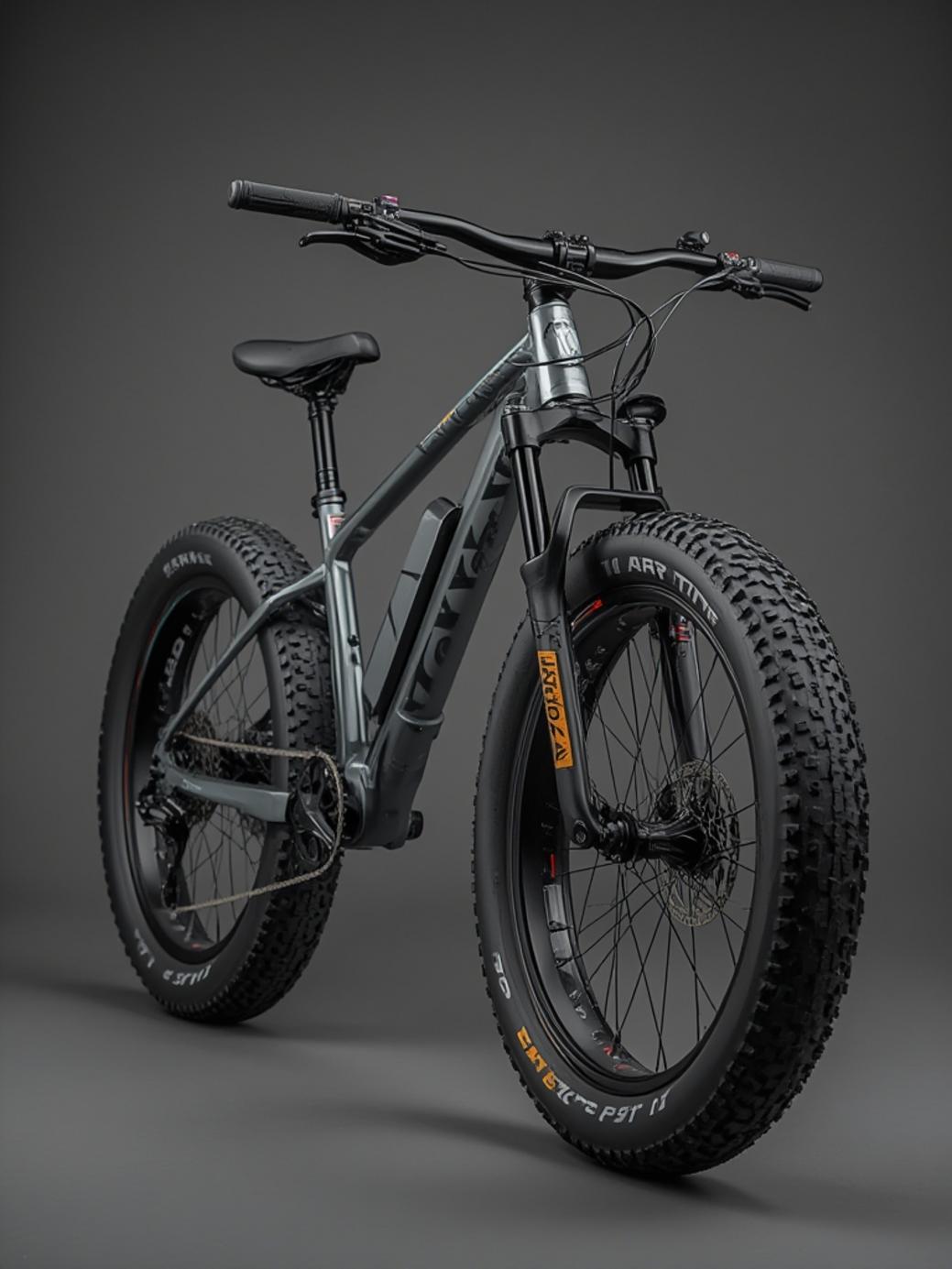
E-Bike Battery Care 101: Maximize Range, Save Money & Ride Sustainably
Ever wondered why your best fat tire ebike loses range faster than expected? Or why that off-road fat tire electric bike adventure left your battery drained prematurely?
Proper battery care isn’t just about longevity, it’s the key to unlocking peak performance, reducing environmental waste, and making sustainable commuting truly viable. With lithium-ion batteries accounting for 30% of an e-bike’s cost, strategic maintenance can save you hundreds while keeping your rides eco-efficient.
Materials & Tools for Professional-Grade Battery Care
- Smart Charger: 48V/52V models with auto-shutoff (e.g., Luna Advanced)Weatherproof Storage Case: For humidity/temperature controlDielectric Grease: Protects electrical contacts from corrosionMicrofiber Cloth & Isopropyl Alcohol: Safe terminal cleaningVoltage Meter: Track cell balance (ideal range: 3.2V-4.2V per cell)
- Thermal Battery Blanket: For sub-zero riding (extends cold-weather range by 15%)
Charging & Usage Schedule: Data-Driven Optimization
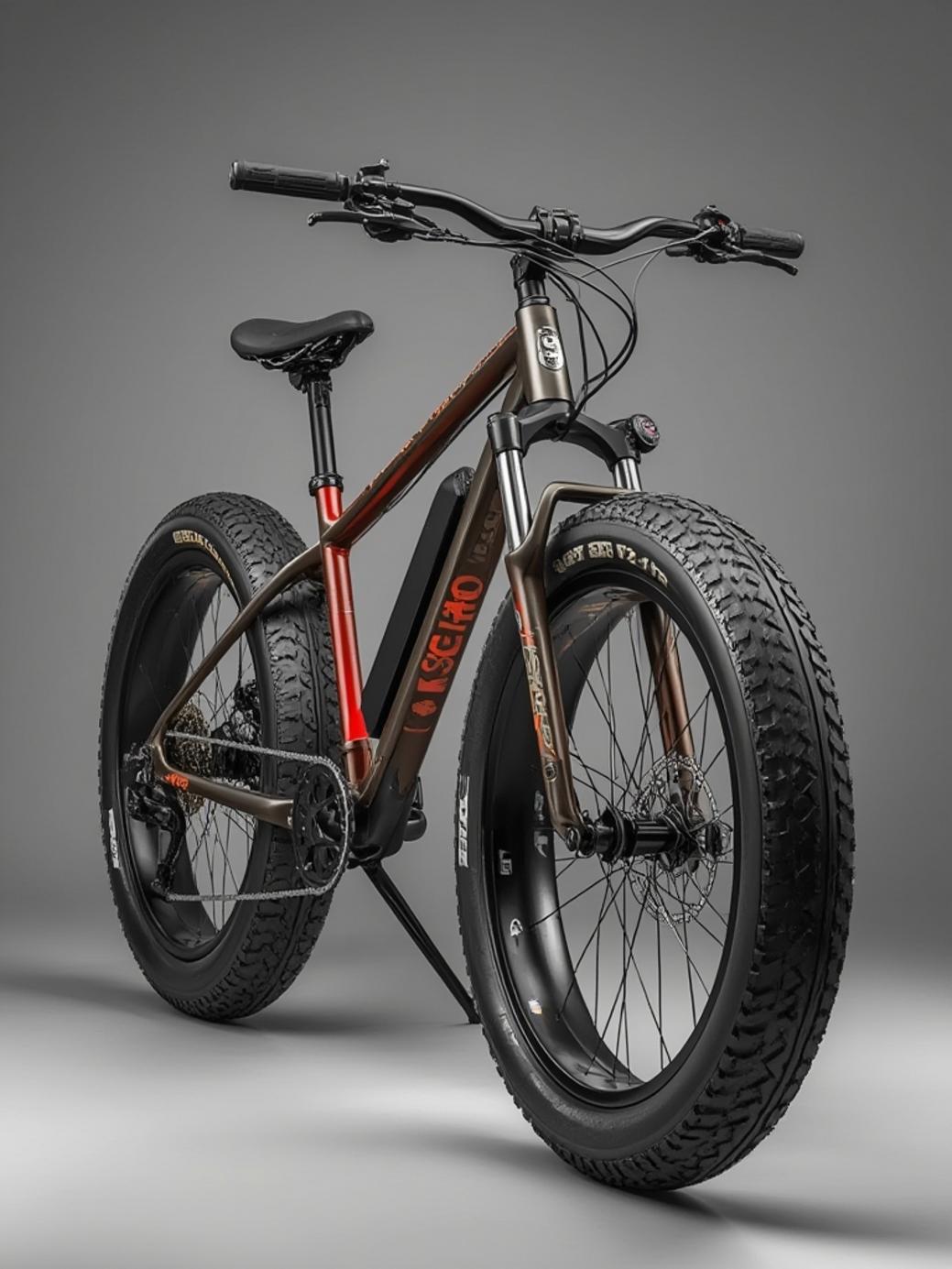
Average Lithium Battery Degradation:
| Charge Cycles | Remaining Capacity |
|---|---|
| 0-100 | 100% |
| 300 | 85% |
| 500 | 70-75%* |
*Varies by depth-of-discharge (DOD). Shallow 80% cycles preserve 24% more capacity than 100% DOD cycles over 500 charges. For your best fat tire ebike, limit full discharges to 1x/month for cell balancing.
10-Step Battery Maintenance Protocol
- Charge Smart: Keep between 20%-80% daily; full 100% charges only before long ridesCool Before Charging: Wait 30 mins post-ride to avoid thermal stress (reduces dendrite growth by 40%)Monthly Balance Charge: Leave on charger 2hrs after reaching 100% to equalize cellsWinterize Correctly: Store at 50% charge in 40-60°F environments – NEVER below freezing
- Clean Contacts Quarterly: Prevent voltage drops with alcohol wipes and dielectric grease
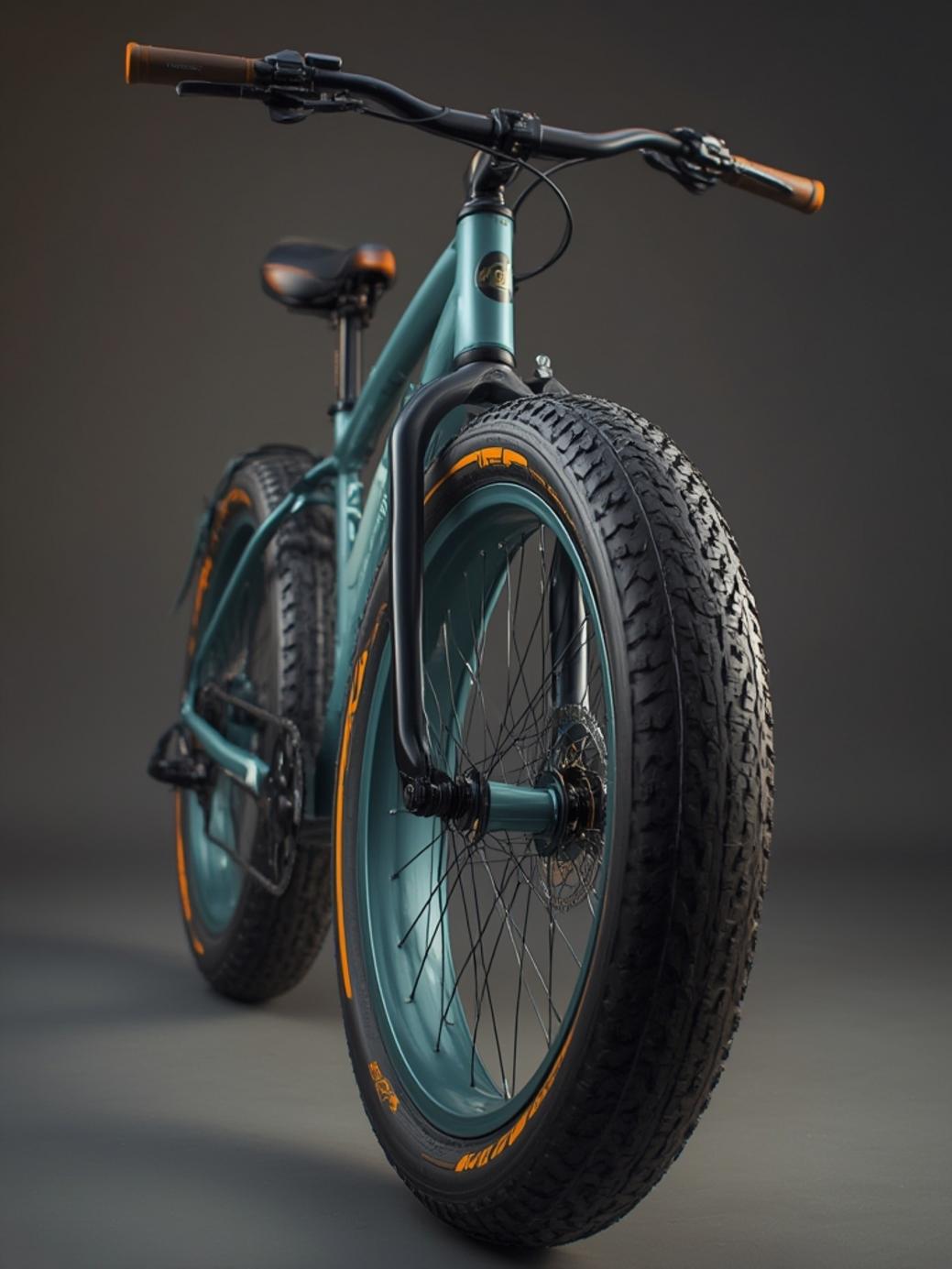
Trail Rider Hack: After using your off-road fat tire electric bike in mud, use compressed air to clear debris from battery vents before charging.
Performance Gains You Can Measure
- 36% Longer Lifespan: 800 cycles vs. 500 with poor maintenance7% More Range: Proper storage prevents parasitic discharge$0.18/Mile Savings: Compared to gas vehicles at $0.60/mile (AAA data)
- CO2 Reduction: 1,500 lbs annually vs car commuting
Advanced Techniques by Riding Style
For Trail Warriors:
- Use Eco mode for 70% of climbs to prevent overheating
- Carry a 36V booster pack for remote adventures
Urban Commuters:
- Schedule charging during off-peak energy hours
- Regen braking upgrades recover 8-15% energy downhill
5 Battery-Killing Mistakes (And Fixes)
- Error: Storing at 0% charge
Fix: Maintain 40-60% for storageError: Charging immediately after hard rides
Fix: Wait until battery cools below 95°FError: Using fast chargers daily
Fix: Reserve 5A+ chargers for emergencies
- Error: Ignoring voltage sag
Fix: Test under load monthly
Off-Season Storage Protocol
- Charge to 60%Remove battery from frameStore in fireproof bag at stable 50°F
- Recharge to 50% every 60 days
Conclusion: Ride Further, Waste Less, Save More
Whether you’re shredding trails on the rugged best fat tire ebike or commuting on a versatile off-road fat tire electric bike, intelligent battery care transforms your ride’s economics and environmental impact. Apply these strategies today to enjoy:
- 5+ years of peak performance2,500+ miles between replacements
- 30% lower lifetime ownership costs
Ready to maximize your e-bike investment? Bookmark this guide, share your own battery hacks in the comments, and explore our sustainable commuting toolkit below!
FAQs: Expert Answers to Top Battery Questions
Q: Can I leave my e-bike plugged in overnight?
A: Only with smart chargers that switch to trickle mode. Never exceed 12 hours.
Q: How often should I fully discharge my battery?
A: Only 1x/month to calibrate the BMS. Avoid regular deep cycles.
Q: Do lithium batteries “remember” charge levels?
A: No – that’s a NiMH myth. Partial charges actually extend Li-ion life.
Q: Can I repair a swollen battery?
A> NO! Swelling indicates thermal runaway risk. Recycle immediately through certified centers.
Q: Best charger for extended battery life?
A> 3A chargers with temperature sensors (e.g., Grin Cycle Satiator) provide gentler, precision charging.
Related Posts
Previous Post
Next Post
Previous Post
Next Post






Advertisement